High yield savings accounts attract customers primarily through competitive interest rates, often paying 4% to 5% APY compared to the 0.40% national average.
However, the advertised rate tells only part of the story. Fees can substantially reduce or even eliminate the benefits of higher interest rates, transforming an apparently excellent account into a mediocre one.
Understanding potential fees before opening an account helps you make informed decisions and avoid unpleasant surprises. While many online banks offering high yield accounts maintain genuinely fee-free structures, others impose various charges that erode your returns.
Today, I will guide you through the 12 common fees you should watch for when evaluating high yield savings accounts.
12 Common Fees to Watch Out for in High Yield Savings Accounts
Here are the 12 common fees to watch out before you open a high yield savings account.
1. Monthly Maintenance Fees
Monthly maintenance fees represent one of the most common and damaging charges imposed by financial institutions. These recurring fees typically range from $3 to $15 per month, charged simply for maintaining an active account.
Traditional banks frequently implement monthly maintenance fees on savings accounts, though they often waive them if you maintain minimum balances, set up direct deposits, or meet other requirements. Online banks offering high yield accounts generally avoid monthly fees entirely, using their low-cost business model to attract customers without these charges.
The impact of monthly maintenance fees compounds over time. A seemingly modest $5 monthly fee costs $60 annually. For an account earning 4% APY on a $2,000 balance, you’d earn $80 in interest but lose $60 to fees—a 75% reduction in net returns. On smaller balances, monthly fees can completely eliminate interest earnings and even reduce your principal balance.
Strategies to Avoid Monthly Fees
Always verify whether an account charges monthly maintenance fees before opening it. If a bank does charge these fees, understand exactly what conditions trigger waivers. Common waiver requirements include maintaining minimum daily balances, receiving monthly direct deposits of specified amounts, or linking the savings account to a checking account at the same institution.
Calculate whether meeting waiver requirements actually makes sense for your situation. If maintaining a $5,000 minimum balance to avoid a $10 monthly fee means tying up money you need elsewhere, the fee avoidance may not justify the inconvenience.
2. Minimum Balance Fees
Minimum balance fees differ from monthly maintenance fees in that they specifically penalize falling below a required account balance. An account might charge $10 if your balance drops below $500 at any point during the month, even if it stays above that threshold most of the time.
These fees punish savers who experience balance fluctuations or who are building savings gradually from low starting points. A single unexpected expense that requires withdrawing funds can trigger minimum balance fees, adding financial pain during already difficult times.
Most high yield savings accounts from online banks eliminate minimum balance requirements entirely. You can maintain any balance from $1 upward without penalty, making these accounts accessible to savers at all financial levels. This feature particularly benefits people just beginning their savings journey or those rebuilding finances after setbacks.
3. Excessive Transaction Fees
Previously, certain withdrawals and transfers from savings accounts were restricted to six per month under Federal Regulation D. Despite the Federal Reserve’s 2020 suspension of this rule, many banks still use their own procedures to enforce transaction limitations.
Fees for going over transaction limitations can range from $5 to $15 each transaction. While some banks charge a flat cost after you cross the limit, others charge for each transaction that exceeds the limit. If you transfer money in and out of savings on a regular basis, these costs mount up rapidly.
Understanding Transaction Types
Not all account activities count toward transaction limits where they still exist. In-person withdrawals at branches, ATM withdrawals, telephone transfers, and online transfers to external accounts often count toward limits. However, deposits and transfers between accounts at the same bank sometimes don’t count, though policies vary by institution.
Read the specific terms for any account you’re considering. If you anticipate needing frequent access to funds, prioritize accounts with unlimited transactions rather than those maintaining restrictive policies.
4. Wire Transfer Fees
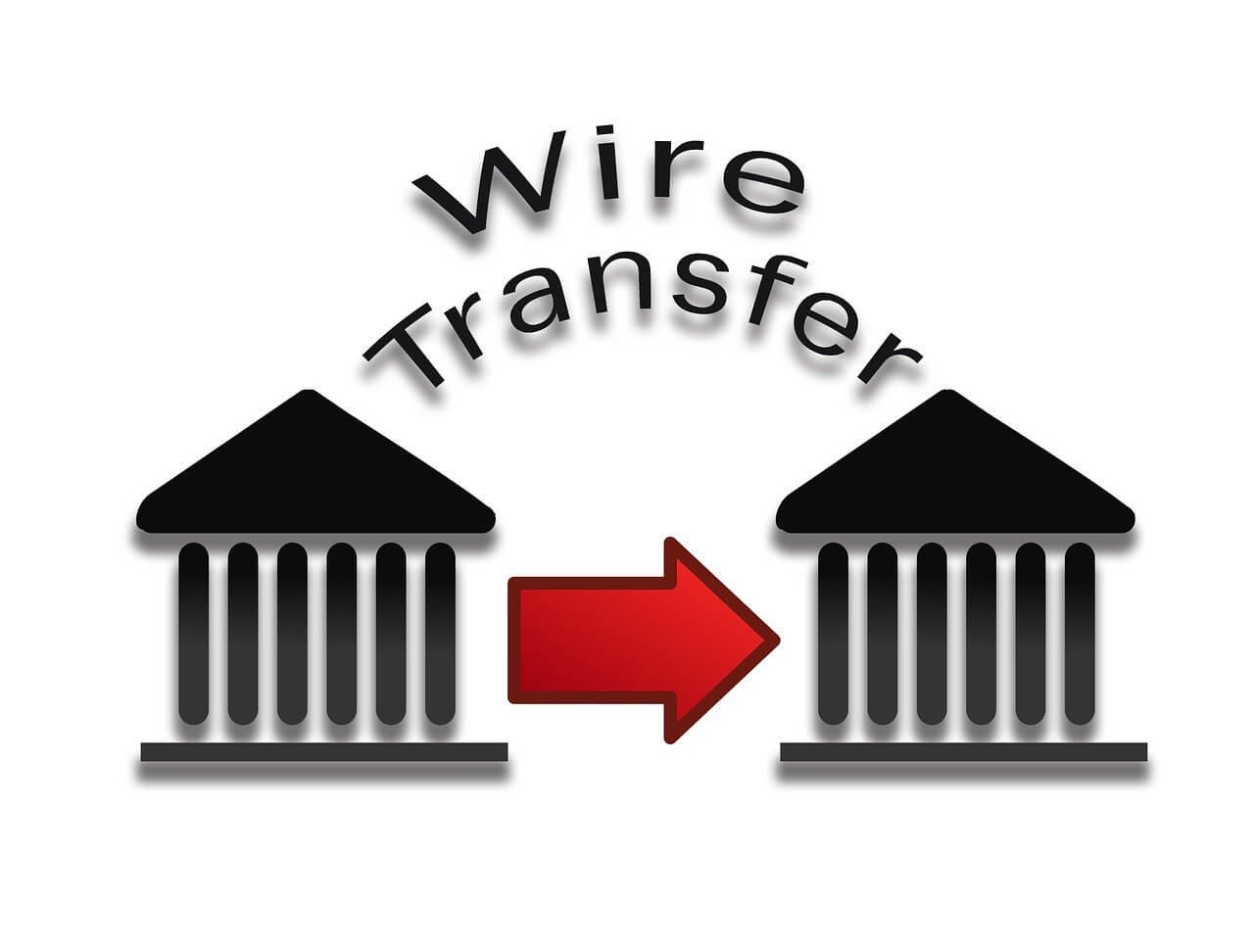
Wire transfers move money between banks faster than standard ACH transfers, typically completing within hours rather than one to three business days. However, banks commonly charge substantial fees for this expedited service.
Outgoing wire transfer fees typically range from $15 to $30 per transaction. Some banks charge different amounts for domestic versus international wires, with international transfers often costing $40 to $50. Incoming wire transfers usually cost less, perhaps $10 to $15, though some banks receive wires for free.
For most purposes, free ACH transfers adequately serve high yield savings account holders. The extra speed of wire transfers rarely justifies the significant cost unless you face genuine emergencies requiring same-day fund access. Plan ahead whenever possible to avoid wire transfer fees entirely.
5. ATM Fees
Some high yield savings accounts provide optional ATM cards for direct cash withdrawals. While convenient, ATM access introduces potential fees from multiple sources.
Your own bank might charge fees for ATM withdrawals, though many waive these for their customers. However, the ATM owner—often another bank or a private ATM operator—typically charges $2 to $5 per transaction when you use out-of-network machines. These fees add up quickly with frequent ATM use.
A handful of online banks offering high yield accounts provide ATM fee reimbursements, refunding charges from out-of-network ATMs up to certain monthly limits. Synchrony Bank, for example, refunds up to $5 in domestic ATM fees per statement cycle for standard accounts, with unlimited refunds for customers achieving certain status levels. These reimbursement programs significantly enhance accounts offering ATM access.
Evaluating ATM Access Needs
Consider whether you actually need ATM access to your savings account. For emergency funds and goal-based savings, the standard practice of transferring money to your checking account before spending makes more sense than direct ATM withdrawals. This built-in delay helps prevent impulsive spending from savings.
If immediate cash access is important, verify whether your prospective savings account offers ATM cards, understand any associated fees, and check whether ATM fee reimbursements apply.
6. Paper Statement Fees
Digital banking has made paper statements largely unnecessary, yet some people prefer receiving physical records by mail. Banks increasingly charge for this service, typically $1 to $5 per statement.
These fees may seem trivial individually, but they accumulate to $12 to $60 annually. For most account holders, switching to electronic statements provides identical information without cost while reducing paper waste.
Bread Savings, for instance, charges $5 per paper statement request. Most online banks strongly encourage or require electronic statements, reflecting their digital-first business models. Before demanding paper statements, calculate the annual cost and consider whether digital alternatives might serve equally well.
7. Account Closure Fees
Some financial institutions charge fees when you close accounts, particularly if you close them shortly after opening. Account closure fees typically range from $10 to $50, depending on the institution and how long you maintained the account.
Banks implement these fees to discourage account churning—opening accounts for sign-up bonuses then immediately closing them. The fees also offset administrative costs associated with account closures. However, many high yield savings accounts from customer-friendly online banks charge no closure fees at any time.
Always check account terms regarding closure fees before opening any account. If you’re uncertain about committing to a particular bank long-term, prioritize institutions not charging closure fees. This flexibility allows you to switch banks if better offers emerge without financial penalty.
8. Early Account Closure Fees
Early account closure fees differ from standard closure fees in that they apply only during specific timeframes after opening. A bank might charge $25 to close an account within 180 days of opening but impose no fee for closures after that period.
These policies discourage bonus hunting while permitting legitimate account closures after reasonable trial periods. If you receive a sign-up bonus for opening an account, the bank wants assurance you’ll maintain the relationship long enough to justify their bonus cost.
Review the terms carefully when opening any account offering promotional bonuses. Understand exactly how long you must maintain the account to avoid early closure fees and to retain any bonuses received.
9. Inactivity Fees
Dormancy or inactivity fees punish accounts showing no activity for extended periods. If you don’t make deposits, withdrawals, or any other transactions for 6 to 12 months, the bank may begin charging monthly inactivity fees.
These fees typically start at $5 to $10 monthly and continue until you make a transaction or close the account. Over time, inactivity fees can completely deplete small account balances, effectively forcing account closure through fee accumulation.
Most high yield savings accounts avoid inactivity fees, but some still implement them. If you’re opening an account you might not actively manage, perhaps a “set it and forget it” emergency fund—verify that inactivity fees don’t apply. Even better, set calendar reminders to make small transactions at least annually to keep accounts clearly active.
10. Overdraft and Non-Sufficient Funds Fees
Savings accounts don’t typically allow overdrafts since you can’t spend directly from them like checking accounts. However, if your savings account is linked to checking account overdraft protection, complications can arise.
When your checking account has insufficient funds, the bank may automatically transfer money from savings to cover the shortage. Some banks charge $5 to $15 for this transfer. If insufficient funds exist in savings either, you might face both overdraft fees on checking and NSF fees on savings.
Understand exactly how overdraft protection works if you link accounts. While overdraft protection can prevent bounced checks and larger fees, the transfer fees still cost money. Some banks offer free transfers for overdraft protection, which represents the ideal arrangement.
11. Account Research and Verification Fees
When you request detailed account history, research into old transactions, or copies of previously provided documents, banks sometimes charge research fees. These fees compensate for employee time spent retrieving and compiling historical information.
Research fees vary widely, from $10 to $50 or more depending on the complexity and scope of the request. Simple requests like duplicate monthly statements typically cost less than comprehensive transaction research spanning years.
Most routine banking needs never trigger research fees. Monthly statements, year-end summaries, and recent transaction history remain freely available through online banking portals. Research fees only apply when you request unusual or extensive document retrieval that requires manual staff intervention.
12. Check and Cashier’s Check Fees
High yield savings accounts rarely offer check-writing privileges—that feature typically belongs to checking accounts and some money market accounts. However, when you need to withdraw large amounts from savings, you might request checks or cashier’s checks from the bank.
Personal checks, when available, might be free or cost $5 to $20 for a set of checks. Cashier’s checks typically cost $5 to $15 per check. These fees ensure the payment method’s security and compensate for administrative processing.
Most online banks offering high yield accounts don’t provide check services at all. You’ll need to transfer money to your checking account first, then write checks from there. This separation actually benefits most savers by maintaining clear boundaries between spending and saving.
Comparing Fee Structures Effectively
When evaluating high yield savings accounts, create a simple comparison chart listing all potential fees for each account you’re considering. Calculate the realistic annual fee burden based on your expected account usage patterns.
An account advertising 4.50% APY with a $5 monthly fee delivers worse results than an account paying 4.25% APY with no fees if you maintain a $2,000 balance. The first account earns $90 in interest but loses $60 to fees, netting $30. The second earns $85 with no fees, delivering superior results despite the lower rate.
Fee avoidance sometimes matters more than rate chasing. A perfectly fee-free account paying 0.20% less APY often delivers better net returns than a higher-rate account loaded with various charges.
Use Calculators to Project Returns
To accurately compare accounts with different rates and fee structures, use tools like a high yield savings account calculator to project growth under various scenarios. Input your expected balance, monthly contributions, interest rate, and estimated annual fees to see net returns over time.
These projections reveal whether slightly higher interest rates justify potential fees or whether cleaner account structures serve you better. Concrete numbers eliminate guesswork and help you make decisions based on mathematical reality rather than advertised rates alone.
Read the Fine Print
Fee disclosures exist in every account agreement, though banks don’t always highlight them prominently in marketing materials. Before opening any account, locate and read the fee schedule completely.
Look for documents titled “Fee Schedule,” “Account Terms and Conditions,” or “Truth in Savings Disclosure.” These documents comprehensively list every potential charge associated with the account. If you can’t find clear fee information on a bank’s website, contact customer service before applying. Any legitimate institution willingly provides complete fee schedules to prospective customers.
Pay particular attention to conditions triggering fees rather than just the fee amounts. Understanding what actions cause charges helps you avoid them through different account management behaviors.
Negotiate Fee Waivers
While online banks offering high yield accounts typically maintain rigid, automated fee structures, occasional exceptions exist. If you encounter an unexpected fee that you believe shouldn’t apply, contact customer service promptly.
Explain the situation clearly and politely. Many banks make one-time exceptions for customers with otherwise good account standing who encounter unusual circumstances. This goodwill particularly applies to first-time fee occurrences or fees resulting from bank errors or unclear policies.
Document all communication with the bank regarding fee disputes. Note dates, times, representative names, and what was discussed. If initial representatives can’t help, politely request escalation to supervisors who may have greater authority to grant waivers.
Making Fee-Conscious Decisions
High yield savings accounts should enhance your financial position, not diminish it through excessive fees. The best accounts combine competitive interest rates with completely fee-free structures, allowing every dollar of earned interest to compound without deductions.
Prioritize accounts offering no monthly fees, no minimum balance requirements, unlimited transactions, and free electronic statements. These features appear standard among leading online banks, so you shouldn’t need to compromise on any of them to secure excellent interest rates.
If an account with particularly attractive rates does impose some fees, honestly assess whether you can realistically avoid them through your normal usage patterns. An account with fees you’ll never trigger may work fine, while one where fees seem inevitable should probably be passed over in favor of cleaner alternatives.
The most successful savers understand that net returns matter more than gross returns. An account earning 4.50% that costs you $100 annually in various fees delivers worse results than one paying 4.25% with zero fees. Focus on what you actually keep rather than what gets advertised, and your savings will grow more reliably over time.